
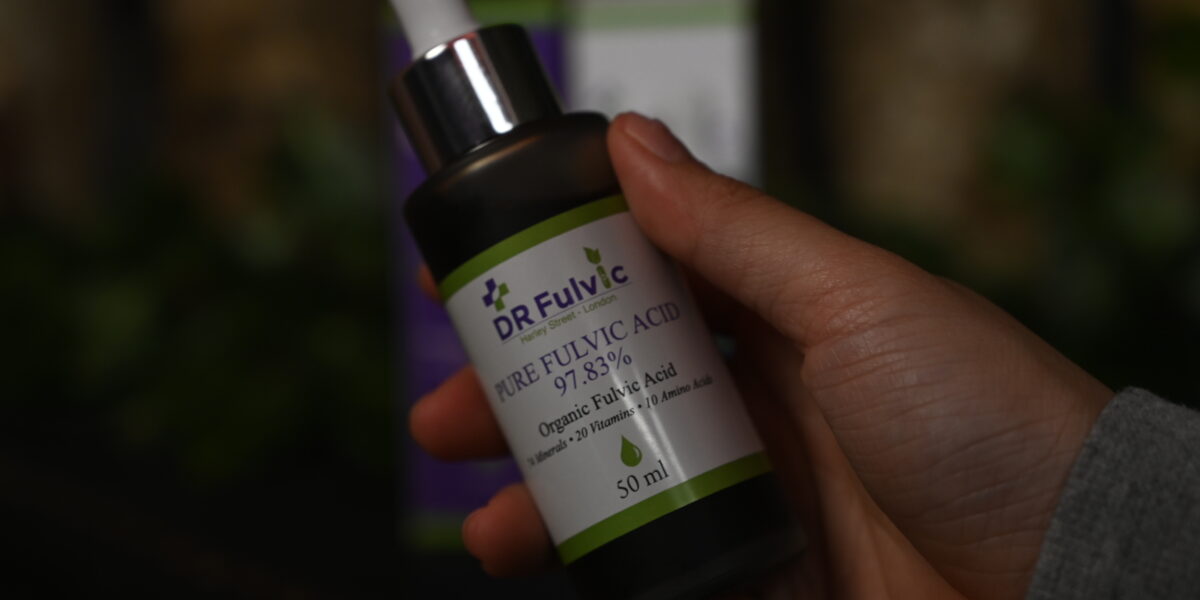
Fulvic acid has become quite the topic of interest in the wellness community in the search for the perfect gut health.
This naturally occurring compound, found in the soil, peat, and some bodies of water, is getting raves for its potential benefits to gut health. But now comes the big question: what exactly does science say on fulvic acid and the possible improvements it can make to our digestive system?
Understanding Fulvic Acid
One humic substance is fulvic acid, which produces more of the organic matter that exists in the soil and water. It results from the decomposition of plant and animal materials, which is facilitated by a series of microorganisms.
The compound has a unique chemical structure that can bind with nutrients, thus increasing the availability and absorption of the said nutrients by plants. When it comes to human consumption, fulvic acid is believed to offer similar benefits, especially in terms of nutrient absorption and gut health in general.
Fulvic Acid and Gut Health
The gut is way more than just a compartment of the digestive system: it is an intricately arranged ecosystem, representing a very important constituent of our well-being. The next important one is the balanced gut microbiome, which is essential not only for food digestion and vitamin synthesis but also for protecting against pathogen attacks.
Fulvic acid is thought to support this delicate balance in several ways.
The first activity is that fulvic acid has been known to have antioxidant activity. The other possibility is that oxidative stress would be the cause of damage to the gut cells, resulting in the disruption of the gut barrier. These may be underlying conditions similar to those found in the leaky gut syndrome. It will protect the gut lining from being impaired in its function by the scavenging of free radicals. The second is that it has anti-inflammatory properties. Chronic inflammation is one of the common basic factors that can lead to many gut-related disorders, including but not limited to IBD (inflammatory bowel disease) and IBS (irritable bowel syndrome). The anti-inflammatory effect of fulvic acid could thus act by mediating some of the discomfort and symptoms in these disorders.
Further, research has pointed out that fulvic acid can enhance the uptake of nutrients. Basically, better uptake of nutrients by fulvic acid could mean that the gut microbiome of the consumer is more balanced and healthy; therefore, this benefit is passed down by having better overall digestive health.
Best practice before using it as part of your health regimen is to get an expert’s advice first, most especially if some health conditions are already at hand or medications are being taken. Most of the time, however, fulvic acid is safe for most people, but individual reactions will always be observed.
Being a very interesting nature solution for gut health, fulvic acid, together with its antioxidant and anti-inflammatory activity in an enhanced source of nutrient absorption, might be a compound one would be looking at to promote their digestive health by natural means. That area of research might well have more of a story to tell over time about the benefits of fulvic acid to our gut and overall health. It could be, as for now, an area described as promising yet rather bypassed when other more alluring issues of holistic wellness are taken into consideration, visit our shop for more information!