
The focus of this tantalizing pursuit toward better health and an open gateway to improved well-being is usually with magic nutrients. Among these, fulvic acid is an outstanding player—a compound elaborated in Earth’s soils. This naturally formed acid serves not only to carry the nutrients, but also to be a potent antioxidant, an electrolyte, and a source of minerals that are key to the most effective absorption of nutrients.
But where would one find fulvic acid in nature, particularly the one present in our diet? This article focuses on the foods that naturally contain high composition of fulvic acid and works like a guide to tap into its composition through the diet.
The Essence of Fulvic Acid
Fulvic acid is one of the humic substances, and it is derived from the decomposition of organic matter. Due to the decomposition of organic matter, the number of health benefits developed with fulvic acid is immense, like improved digestive health, increased immunity, and even helpfulness in detoxification.
Despite how important fulvic acid may be, the amount is of the compound in great quantity not easily found within foods per se. On the contrary, it is found in the soil that plants used for growth, consequently affecting the nutritional quality of the foods that we consume.
Foods Rich in Fulvic Acid Other foods and cooking practices that will increase your intake of fulvic acid include consuming organically grown produce and products derived from organically grown produce. Some of these foods and practices are mentioned below:
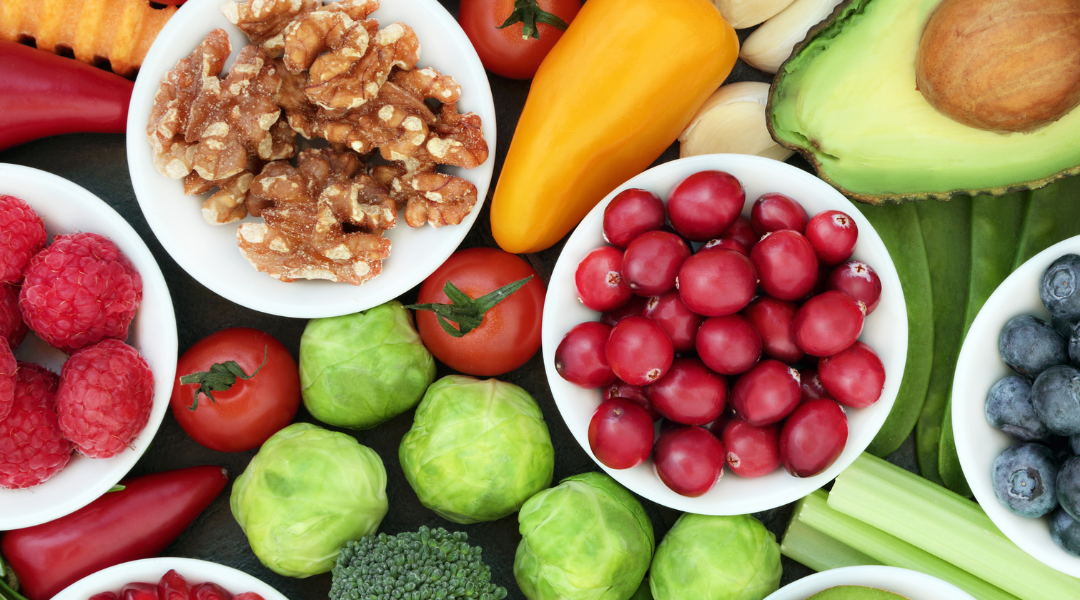
1. Organically grown vegetables and fruits: These are the kinds of vegetables and fruits grown on soil that is fertile with fulvic acid, and they tend to draw this nutrient up into themselves. Examples of these include leafy greens, berries, and root vegetables. Organic farming practices further enhance the quality and nature of the soil, so the ultimate produce from such a soil would have higher fulvic acid.
2. Shilajit: This is an organic substance deriving from the Himalayas and represents one of the highest fulvic acid concentrations. Shilajit exudes as a resin from the cracks of mountains only under hot conditions of the weather and is very rich in fulvic acid and minerals.
It’s traditionally consumed dissolved in water and is revered for its health-promoting properties.
3. Fulvic Acid Supplements: Not really a food, the supplement is consumed directly. It is often derived from humic substances, giving to the eater a concentrated dose of fulvic acid. Though critical, the key here is to purchase good-quality supplements from reliable sources for its being harmless and effective.
4. Compost-Grown Produce: The vegetables and fruits grown in compost-rich soil are another indirect source of fulvic acid. Composting adds to the health of the soil and its content of fulvic acid, so the outcome of the harvest is also the nutritional content of the produce. 5. Fermented Foods: To ferment is yet another method that result in enriched nutrient content within foods; fulvic acid is no exception. Though the mentioned source of foods is not direct sources of fulvic acid, actually, kefir, sajson, kombucha, and others stimulate and maintain the microbial activity of the soils.
Embracing Fulvic Acid in Your Diet
To include fulvic acid in your diet takes much more than just picking some particular foods; its quite holistic in nature, from the form and integrity of the food to the source of it all. Meanwhile, your intake of organically grown produce, looking into the intake of some natural supplements like shilajit, consummating the foods grown in nutrient-rich soils will help you obviously with their intake of fulvic acid.
Though not directly rich in fulvic acid, these are powerful carrier foods for the substance that plays an indispensable role in enhancing absorption and providing numerous other health benefits. In other words, when the focus is on organic foodstuffs along the line of natural supplements and the decision on what to eat that comes from nutrient-rich soils, all will be a way of tapping fulvic acid for our general well-being. As we delve deeper into the associational makeup of soil health with our nutrition, fulvic acid emerges to the forefront as the deposition of testimony to this deeper connection of the earth with our health, view our shop to see our fulvic acid products.